Jute Bag GSM Explained: Getting Weight, Strength and Cost Right in 2026
· 5 min read · Updated
The short version
GSM is grams per square metre of fabric — a measure of weight, not directly of strength.
300–340 GSM laminated hessian is the working range for a grocery shopper reused weekly. Above 380 GSM a bag reads as a gift or hamper carrier.
Weave density, yarn ply, stitch count and bar tacking determine whether a bag survives. Two 340 GSM fabrics can differ substantially in real-world durability.
Every extra 40 GSM is paid for twice — once in fabric and again in sea freight on every unit shipped.
GSM is the single number buyers ask about most, and the one most often specified out of habit rather than use case. A bag that carries three kilos of produce twice a week has very different requirements from a hamper bag that will be filled once and photographed.
What GSM measures — and what it does not
GSM is grams per square metre: take a one-metre square of the fabric, weigh it, and that is the number. It is a density measure, and it correlates with strength without being a strength measurement.
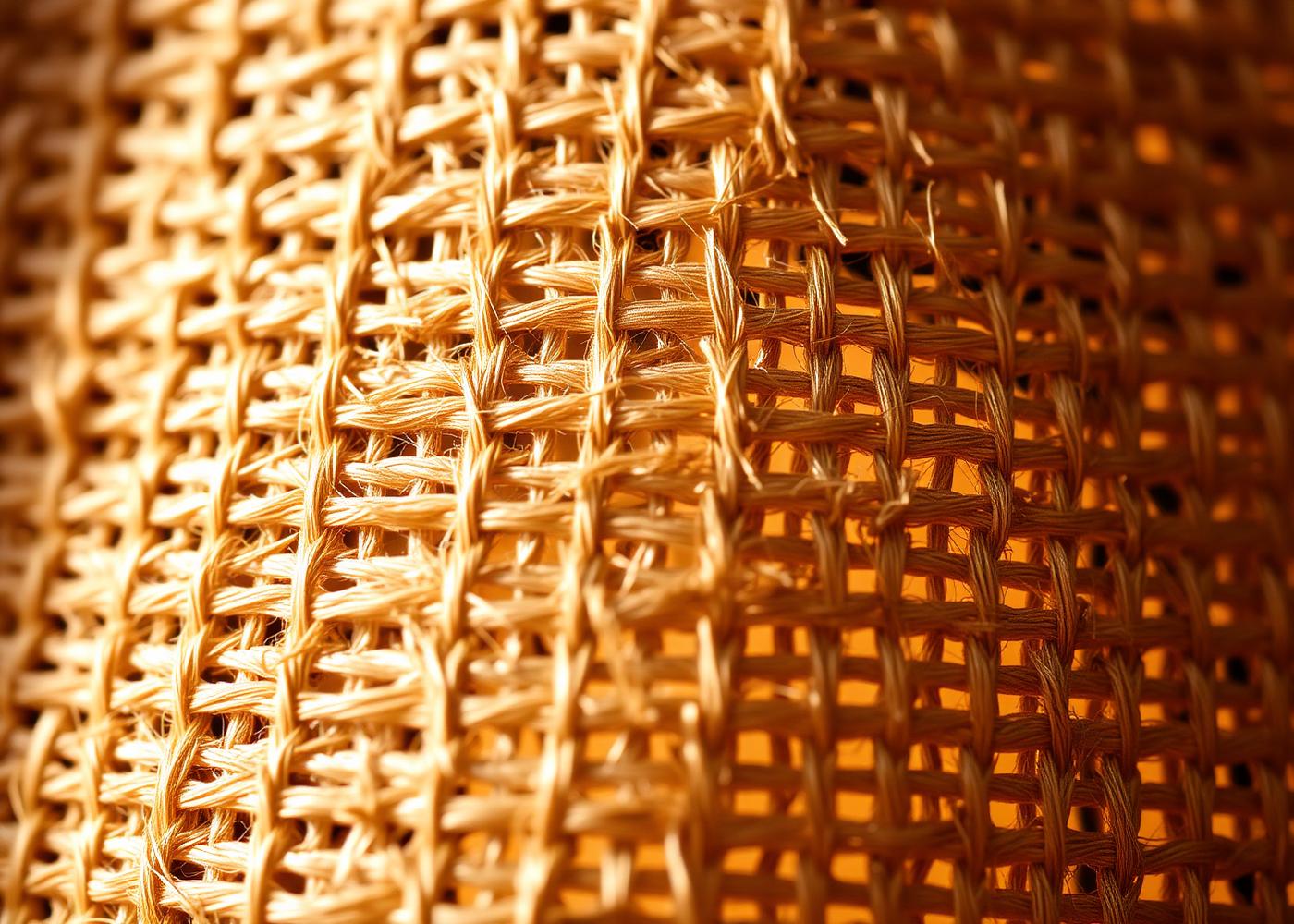
That distinction matters commercially. You can reach 340 GSM with thick yarn loosely woven, or with finer yarn woven tightly. The second is stronger, holds print better and lasts longer, and both are legitimately "340 GSM". This is why a specification that names only GSM leaves a supplier a great deal of room, and why two quotes at the same weight can be for genuinely different fabrics.
The weight bands, and what each one is for
GSM band
Typical use
Usual handle
Notes
240–280
Light promotional bags, wine sleeves, pouches
Self-fabric or cord
Folds well; not for repeat heavy loads
300–340
Grocery and retail shoppers
Self-jute web or cotton web
The workhorse range; laminate it
340–380
Heavier retail, multi-compartment, book bags
Cotton web or padded
Holds shape when empty
380–420
Hamper, gifting and wine carriers
Padded rope, cane, leatherette
Weight is doing marketing work here
420+
Agricultural and industrial sacking
Sewn-in or none
Rarely appropriate for retail
The shopper range: 300–340 GSM
For grocery shoppers we generally recommend 300–340 GSM laminated hessian. It holds print cleanly, resists fibre shedding, and folds flat enough that customers actually reuse it — which, given that a reusable bag has to be reused many times to justify itself, is a specification decision and not just a convenience.
Going heavier adds cost and freight weight without adding perceived value at the till. A shopper at 420 GSM does not feel four-hundred-and-twenty grams' worth better to a customer than one at 340; it mostly feels stiff, and it stops folding into a handbag.
Above 380 GSM: when weight is the message
Above 380 GSM the bag reads as a gift or hamper carrier. Here the extra body is doing marketing work rather than structural work, and it pairs well with padded rope handles, rivets and a printed inner label. Buyers in this range are usually right to specify the weight, because the customer is meant to notice it.
What actually determines whether a bag survives
In practice, bags fail at the handles and at the base corners, almost never in the middle of a panel. Which means the specification lines that decide durability are mostly not GSM:
Bar tacks at the handle joints. A handle stitched through the body with reinforcing bar tacks will outlast one simply sewn to the hem, at any fabric weight.
Stitches per inch. Too few and the seam works loose; too many and you perforate the fabric. This should be on your tech pack.
Base construction. A boxed or gusseted base with a reinforced seam carries load into the fabric rather than into a single line of stitching.
Weave density (ends and picks per inch). The real strength number, and the one most specifications omit.
Yarn ply. Two-ply warp yarn behaves very differently from single-ply at the same fabric weight.
GSM and the freight bill
Fabric weight is paid for twice. Once at the mill, and again in ocean freight on every unit shipped. On a full container of shoppers, moving from 340 to 420 GSM is a meaningful weight increase across tens of thousands of bags, and on a DDP quote that shows up in the landed price rather than being hidden in a separate freight invoice. It is one of the clearest cases where a specification decision and a cost decision are the same decision.
How to write GSM into a tech pack
Give the target GSM with a tolerance — ±5% is normal and achievable for woven jute — and pair it with the things GSM does not capture: laminated or unlaminated, ends and picks per inch if you have a reference fabric, yarn ply, stitch count, and handle construction. Then ask for a pre-production sample and weigh it against the spec before bulk runs.
If you would rather work from something physical, tell us the use case and we will send swatches across the relevant bands rather than a generic sample pack. Handling a 300 and a 380 side by side settles the question faster than any table can.
Frequently asked questions
What does GSM mean for jute bags?
GSM is grams per square metre — the weight of one square metre of the fabric. It is a density measure that correlates with strength and thickness, but it is not itself a measure of how much load a bag will carry.
What is the best GSM for a jute shopping bag?
300–340 GSM laminated hessian is the standard working range for a grocery shopper meant to be reused weekly. It holds print, resists shedding, and still folds flat enough that customers carry it back to the shop.
Is a higher GSM jute bag always stronger?
No. Weave density, yarn ply, stitch count and handle bar tacking affect real-world durability more than fabric weight does. Two fabrics can both be 340 GSM and differ substantially in how long a bag made from them lasts.
What GSM tolerance should I allow?
Around ±5% is normal and achievable for woven jute. Specifying a tighter tolerance than that on a natural fibre tends to add cost without adding useful control.
Should jute bags be laminated?
For anything carrying groceries or being reused weekly, yes. Lamination stops fibre shedding, makes the bag wipeable and gives ink a flat surface so print stays crisp. For a rustic gifting bag where the raw texture is the point, unlaminated is often the better look.
jute bag GSM
hessian fabric weight
jute bag thickness
GSM meaning fabric
jute shopping bag specification
Talk to the people who make them
We weave, print and stitch jute, cotton and juco bags in Kolkata, India, and quote DDP so the price you see is the price that lands. Send a specification and we will come back with options.
 TexoFibre Global