Are Jute Bags Really Sustainable? The 2026 Evidence, and What You Can Legally Claim
· 6 min read
The short version
Jute has the lowest water and energy footprint per kilogram of the common bag fibres — it is rain-fed, fast growing and needs little pesticide input.
That advantage is at fibre level. Life-cycle studies show a reusable bag has to be reused many times before it beats a single-use alternative, so durability and desirability are environmental specifications.
From 27 September 2026 the EU's Empowering Consumers Directive makes unsubstantiated generic claims — "eco-friendly", "green", "biodegradable" standing alone — unlawful in consumer marketing.
The separate Green Claims Directive proposal was announced for withdrawal in June 2025, but that does not weaken the existing framework, which is already in force.
We manufacture jute bags, so treat what follows accordingly. But an honest answer serves you better than a flattering one, particularly now that overstating it has become a legal exposure rather than a marketing choice.
The short version: jute is genuinely the best raw material on this list, the bag made from it is only as good as the number of times it gets used, and the language you use to sell it is now regulated.
What jute genuinely has going for it
The fibre-level case is strong and does not need embellishing:
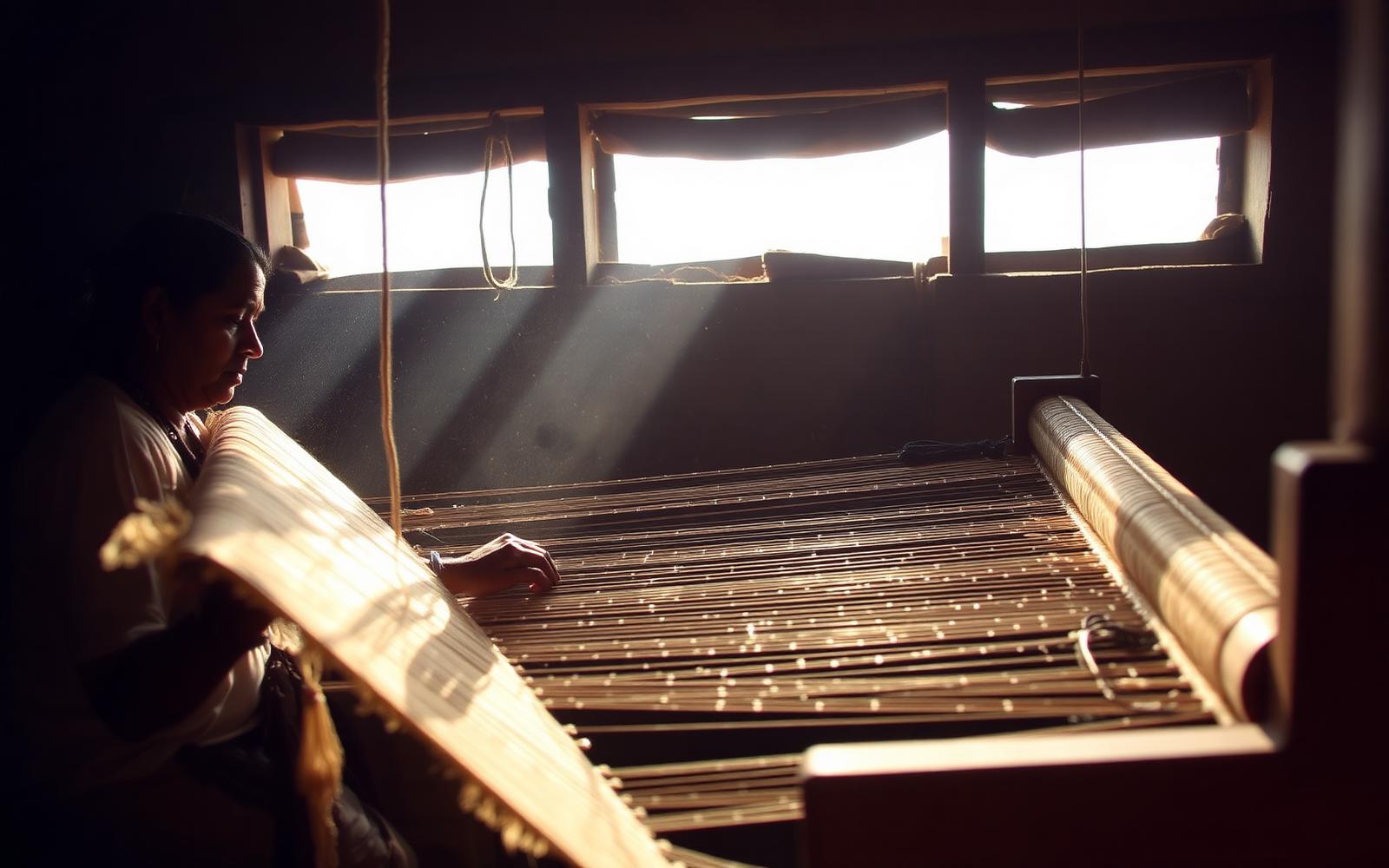
Rain-fed. Jute is a monsoon crop grown in the Ganges delta. It does not carry the irrigation burden that makes cotton's water footprint so large.
Fast growing. A jute crop matures in about four to six months, and it grows densely, so land productivity per tonne of fibre is high.
Low input. It needs comparatively little pesticide and fertiliser relative to cotton.
Lowest water and energy footprint per kilogram of the fibres commonly used for bags.
Biodegradable in its raw state. Unlaminated jute with cotton thread will break down; it is a natural cellulose fibre.
Where the argument gets harder
A bag is not a fibre. Four things weaken the story between the field and the shelf, and they are worth knowing because your customers' compliance teams will ask about them.
Lamination. The film that makes a jute bag wipeable, print-friendly and shed-free is usually a plastic. It substantially improves durability — which helps the reuse maths — but it complicates end-of-life and undermines any unqualified biodegradability claim.
Freight. Bags made in India and sold in Europe travel a long way. Sea freight is comparatively efficient per unit, and fabric weight is the lever you control — which is one more reason not to over-specify GSM.
End of life. In practice most bags go to general waste, where the theoretical biodegradability of the fibre does relatively little work.
The reuse number is the whole argument
This is the finding that should shape your specification. Reusable bags carry a much higher manufacturing impact than single-use plastic film, so they only win once they have been reused enough times to amortise it.
The UK Environment Agency and Danish EPA life-cycle assessments most retailers cite put conventional cotton canvas at roughly 131 uses and organic cotton considerably higher, at around 375, before the climate impact is offset. Other studies working to different system boundaries put reusable bags in the region of 35 to 50 uses to match a single-use alternative. The methodologies differ and the headline numbers should be read with care — but every one of them points the same way.
What you are allowed to say from 27 September 2026
This has changed, and it applies to you if you sell into the EU. The Empowering Consumers for the Green Transition Directive is enforceable from 27 September 2026. It bans generic environmental claims — terms such as "environmentally friendly", "green", "eco", "climate friendly", "biodegradable" and "sustainable" used on their own — unless they are substantiated with recognised evidence.
There has been confusion because the separate, more prescriptive Green Claims Directive proposal was announced for withdrawal in June 2025. That withdrawal does not weaken anything: it removes an additional layer that had not yet arrived, while the existing framework — which is already law — stands.
Stop saying
Say instead
"Eco-friendly bag"
"Woven from rain-fed jute, a crop grown without irrigation"
"100% biodegradable"
"Unlaminated jute body and cotton thread; the zip and rivets are not biodegradable"
"Sustainable"
"Designed for at least [X] years of weekly use" — with evidence behind X
"Plastic free"
Only if it genuinely is — lamination is a plastic
"Carbon neutral"
Avoid unless you hold a substantiated, scope-defined assessment
Claims to retire, and defensible alternatives.
The pattern is consistent: specific, scoped and evidenced beats broad and warm. "Rain-fed jute, unlaminated, cotton thread, no metal fittings" is a stronger sales line than "eco-friendly" in 2026, and it is one you can defend.
How to hold the evidence
Ask your supplier for a materials declaration: fibre content by percentage, lamination type, thread, fittings, coatings and dyes.
Hold certificates that match your claims — and the transaction certificates for the specific shipments. Which certificate proves what sets this out.
Scope every claim. Say what part of the product it applies to and under what conditions.
Design for the claim you want to make. If unqualified biodegradability matters to your positioning, that decides lamination and fittings at specification stage — it cannot be added later.
That last point is where a manufacturer is actually useful. Tell us the claim you need to make and we will build the specification that supports it, or tell you plainly if it cannot be supported. Start with the claim, not the bag.
Frequently asked questions
Are jute bags better for the environment than plastic bags?
At fibre level, clearly — jute is rain-fed, fast growing and low input. But a reusable bag carries a much higher manufacturing impact than single-use film, so it only wins once it has been reused enough times. Life-cycle studies put that break-even anywhere from around 35 uses to over a hundred depending on material and methodology.
Are jute bags biodegradable?
Unlaminated jute with cotton thread will biodegrade — it is a natural cellulose fibre. But most commercial jute bags are laminated with a plastic film for durability and print quality, and zips, rivets and synthetic webbing are not biodegradable. Any claim needs to be scoped to what is actually in the bag.
Can I still call my bags eco-friendly in the EU?
Not as a standalone claim. From 27 September 2026 the Empowering Consumers for the Green Transition Directive prohibits generic environmental claims such as "eco-friendly", "green" and "biodegradable" unless substantiated with recognised evidence. Specific, scoped and evidenced claims remain permitted.
Was the EU Green Claims Directive scrapped?
The Commission announced its intention to withdraw that specific proposal in June 2025. It does not change the existing anti-greenwashing framework, which is already adopted and becomes enforceable on 27 September 2026.
How many times do you need to use a jute bag to make it worthwhile?
There is no single agreed figure for jute specifically, and published studies vary widely by methodology. What is consistent across all of them is that the number is well into the dozens, which makes durability and everyday usefulness the things that actually determine whether a reusable bag delivers an environmental benefit.
are jute bags sustainable
jute environmental impact
reusable bag life cycle assessment
green claims directive bags
greenwashing rules 2026
Talk to the people who make them
We weave, print and stitch jute, cotton and juco bags in Kolkata, India, and quote DDP so the price you see is the price that lands. Send a specification and we will come back with options.
 TexoFibre Global