 TexoFibre Global
Importing Jute Bags into the EU in 2026: HS Codes, Duty, EPR and Documents
· 6 min read · Updated
The short version
- Classification is the trap. Heading 6305 covers sacks and bags for packing goods; a reusable shopping tote often belongs elsewhere, and the duty rates differ.
- A Binding Tariff Information decision is the only way to be certain of your EU classification. It is free to apply for and legally binding across the EU.
- EPR registration is a separate obligation from customs. In Germany it means LUCID plus a dual system; France runs a bonus-malus structure that from 2026 rewards or penalises specific design choices.
- Agree the document set in writing before the first order ships. Demurrage on a first shipment is almost always caused by a document nobody agreed to issue.
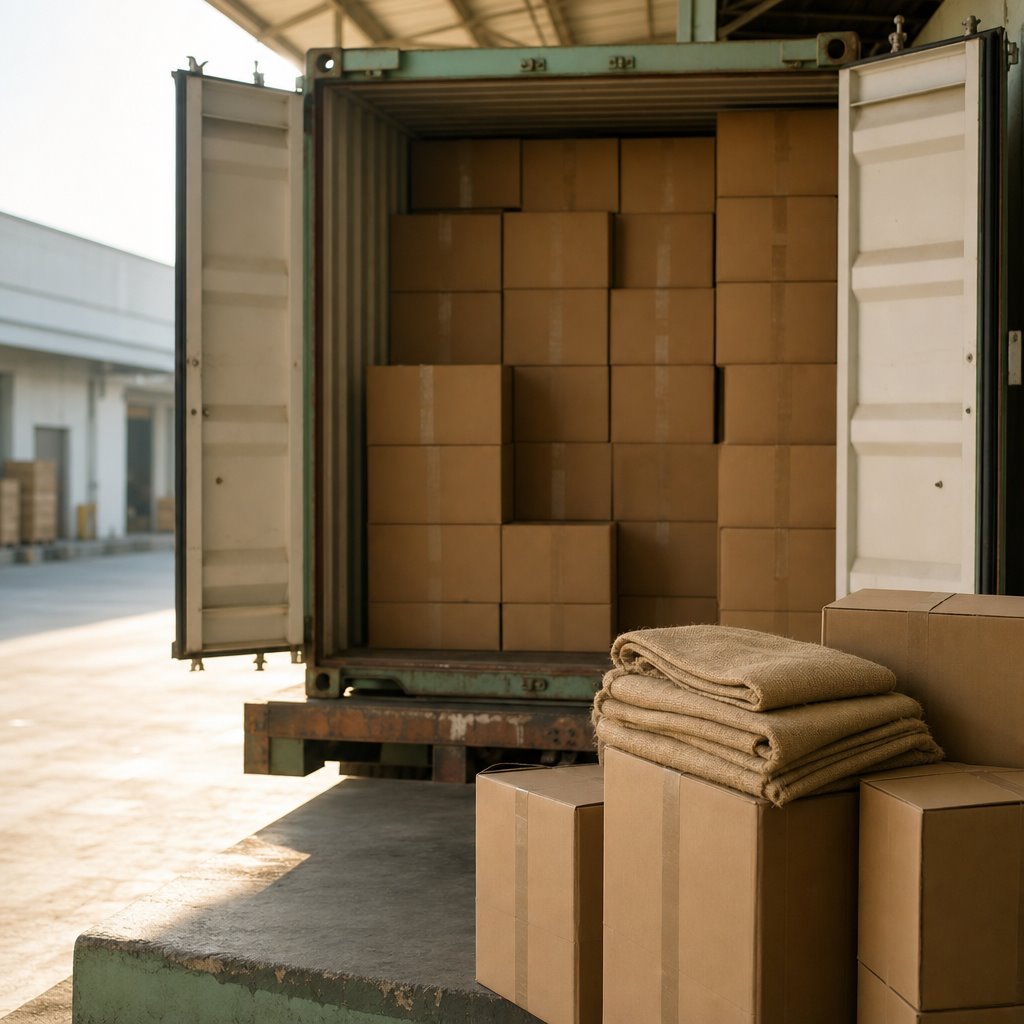
Most delays at destination are paperwork delays, not production delays. The bags are made, the container sails, and then it sits at the port because a certificate names the wrong party or a classification was assumed rather than checked. All of it is avoidable, and almost all of it is avoidable before the first order is placed.
Start with classification, not with duty
Buyers routinely tell us their jute bags are "6305". Sometimes that is right. Often it is not, and it is worth understanding why, because the classification drives the duty rate, the import formalities and any preferential treatment you might claim.
| Heading | Covers | Typical fit |
|---|---|---|
| 6305 | Sacks and bags of a kind used for the packing of goods | Jute sacking, produce and packing bags — 6305.10 is the bast-fibre subheading |
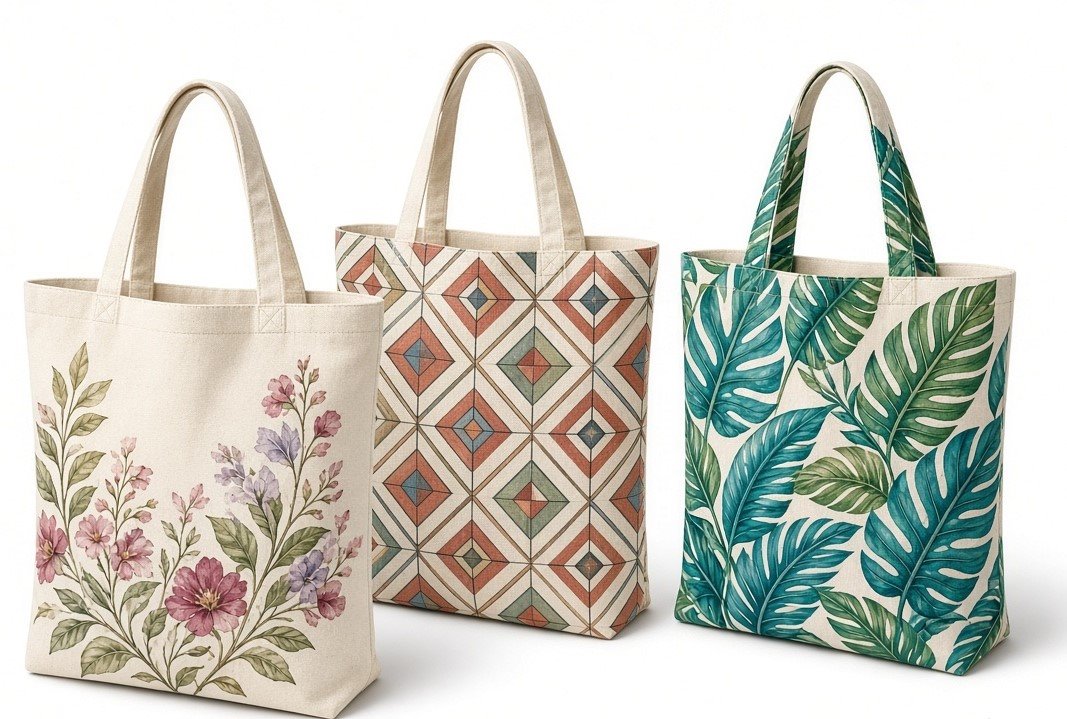
| 4202 | Trunks, cases, handbags, shopping bags and similar containers | Reusable shopping totes and carriers with handles, often the correct heading |
| 6307 | Other made-up textile articles | Residual — items that fit neither of the above |
The distinction that matters is between a bag for packing goods in trade and a bag for carrying personal effects. Customs authorities on both sides of the Atlantic have issued rulings turning on exactly this point. A hessian sack of coffee is a packing bag. A laminated printed tote with rope handles that a shopper carries home is, in most readings, not.
Duty, and what reduces it
Duty rates for textile bags into the EU are generally modest but not zero, and they vary by heading — which is another reason to settle classification first. Check the live rate for your specific code and country of origin in the EU's TARIC database rather than relying on a summary; rates and trade measures change.
Where a preferential trade arrangement applies, duty can fall to zero, but preference is never automatic. You have to claim it, the goods have to satisfy the product-specific rules of origin, and you have to hold valid proof of origin. UK importers should read what changed when the India–UK agreement took effect in July 2026, which is a substantially better position than the EU currently offers.
Preference is also why origin matters as much as price. As of September 2026, Bangladesh-origin goods enter the EU duty free under the Everything But Arms scheme, and Indian-origin goods pay the ordinary rate until the EU–India trade agreement takes effect. India, Bangladesh and Myanmar compared works through what that means for a bag programme.
EPR: the obligation that is not customs
Extended producer responsibility is a separate system with separate registrations, and clearing customs tells you nothing about whether you have met it. Under both German and French law, where the foreign manufacturer has no local entity, the importer is treated as the producer. That is you.
Germany
Obligations apply to anyone first placing packaging on the German market, including importers and online sellers shipping to German customers. In practice that means registration in the LUCID packaging register and a contract with a dual system, with fees based on material type and weight.
France
France runs the most developed scheme in the EU. It was the first member state to introduce EPR for textiles, and its bonus-malus structure — which from 2026 directly rewards or penalises specific design decisions — means the way a bag is constructed changes what you pay. Simpler material mixes are treated better than complex ones.
This is the practical reason to think about material simplicity at specification stage rather than after. A bag that is jute and cotton thread is a cleaner EPR story than the same bag with a laminate film, a moulded zip and metal rivets. PPWR pushes in the same direction.
The document set
For a typical EU import of jute bags from India you will need, at minimum:
- Commercial invoice — with the correct classification and Incoterm stated
- Packing list — carton-level detail, weights and dimensions
- Bill of lading or air waybill
- Certificate of origin — and, where preference is claimed, the proof of origin the relevant agreement requires
- Transaction certificate — if the goods are sold as recycled or organic, naming both parties for that specific shipment
- Fumigation or phytosanitary certificate — where the destination requires it for natural fibres or wooden packaging
- Test reports — where your buyer or your own compliance policy requires chemical testing
The one buyers most often get wrong is the transaction certificate. A supplier's scope certificate proves the factory is certified. A transaction certificate proves this shipment was. If you are making a recycled or organic claim downstream, you need the second one, per shipment, naming both parties. Which certificate does what sets out the distinction.
Do this before your first order
- Agree with your customs broker which documents they need and who issues each one.
- Apply for a BTI so classification is settled and binding.
- Register for EPR in every market you sell into, before the first shipment arrives.
- Ask your supplier to send draft documents for approval before the vessel sails — not after.
- Check that the consignee, notify party and invoice details match exactly across all documents. Mismatches are the single most common cause of a hold.
We prepare the full export set in-house and send drafts for approval before the vessel sails, which removes the most common cause of demurrage on a first shipment. If you are planning a first import, tell us the destination and we will confirm what we issue so you can brief your broker properly.
Frequently asked questions
- What is the HS code for jute bags?
- Heading 6305 covers sacks and bags of a kind used for packing goods, with 6305.10 for jute and other bast fibres. But a reusable printed shopping tote with handles is frequently classified under heading 4202 instead, and the rates differ — confirm with a Binding Tariff Information decision rather than assuming.
- What is a Binding Tariff Information decision?
- A formal classification decision issued by an EU national customs authority. It is free to apply for, binding on customs across all member states, and normally valid for three years. It is the only way to be certain of your classification.
- Do I need to register for EPR to import bags into Germany?
- If you are the first party placing the packaging on the German market, yes — registration in the LUCID register and a contract with a dual system. Where the foreign manufacturer has no German entity, the importer is treated as the producer.
- What is the difference between a scope certificate and a transaction certificate?
- A scope certificate shows a facility is certified to a standard and lists what it is certified for. A transaction certificate covers one specific shipment, names both buyer and seller, and is what proves the goods you received are actually covered. Downstream claims need the transaction certificate.
- How long does customs clearance take for a container of jute bags?
- With complete, consistent documents, routine clearance is usually a matter of days. Delays are almost always caused by a document that was never agreed, a mismatch between invoice and bill of lading, or a classification query — all of which are preventable before shipping.
- importing jute bags EU
- HS code jute bags 6305
- EPR packaging Germany France
- certificate of origin India
- customs clearance textile bags
Talk to the people who make them
We weave, print and stitch jute, cotton and juco bags in Kolkata, India, and quote DDP so the price you see is the price that lands. Send a specification and we will come back with options.
Request a quote